Takeaways
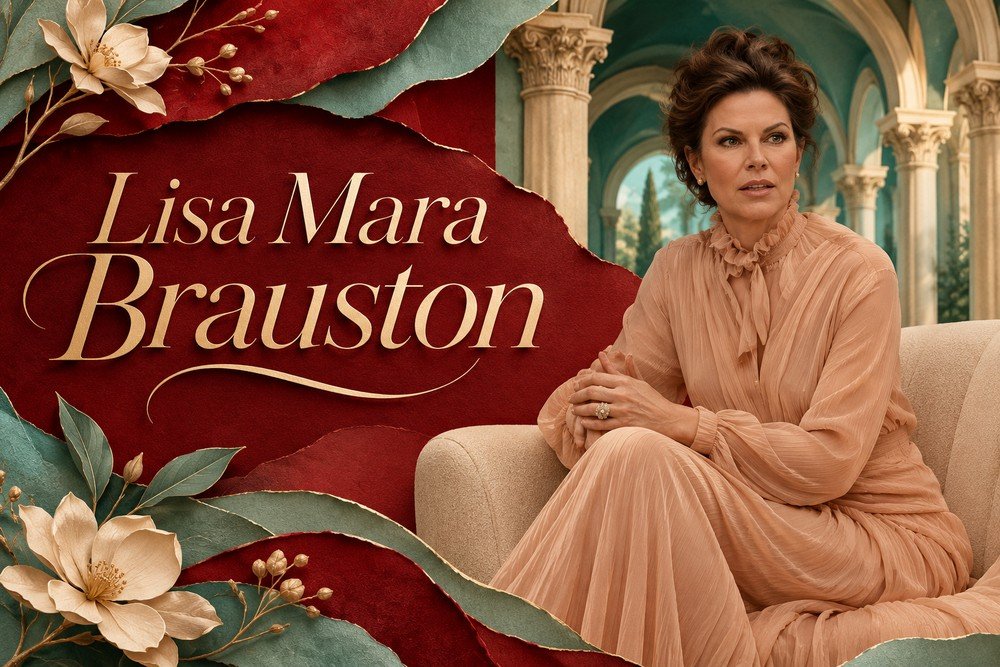
Lisa Mara Brauston’s public record, as described in the source, centers on art-history study, decorative-arts work, and a 1995 marriage to James Steven Ginsburg. Newspaper notices reportedly vary between “Mara” and “Marie,” while later career details remain sparse. This profile treats the archival gaps as a limit, not a mystery to embellish, and looks at the professional world of decorative arts in which she is said to have worked.
Learning to read objects
The source says Brauston studied at Lake Forest College and later earned a certificate in American fine and decorative arts from Sotheby’s in New York. That training points toward a field concerned with material history: how furniture, silver, ceramics, and other objects were made, used, valued, and collected. It does not tell us which objects she preferred or what later work she pursued. Such details would need interviews or professional records. Still, the educational outline helps explain why her name appears in connection with an antiques gallery. The reported details here draw on the profile of Lisa Mara Brauston.
The auction-house setting
The profile places Brauston in a directing role for decorative objects and antiques at Hanzel Galleries in Chicago before her wedding. Galleries and auction houses sit between scholarship and commerce: specialists research objects, describe condition and provenance, advise clients, and help organize sales. The source says the gallery later faced bankruptcy and auction, but it supplies no evidence tying her to that later event. Chronology alone is not causation. Her departure years earlier should not be presented as an explanation for the company’s eventual circumstances.
A wedding notice and a public family
Brauston married James Steven Ginsburg at Chicago’s University Club in November 1995, according to the account. His mother, Justice Ruth Bader Ginsburg, officiated. The Supreme Court’s official biography archive offers reliable context about the justice’s public career, but it does not verify the wedding notice’s details. That distinction matters because the presence of a renowned public figure can draw attention to an otherwise personal event. The ceremony is a documented public milestone; it should not become an excuse to speculate about the couple’s private life.
Names across archival sources
The source notes that one notice used “Lisa Mara” while another used “Lisa Marie.” Variants can appear through typographical errors, transcription, naming preferences, or different source records. The right approach is to preserve the discrepancy and identify which document uses which form, rather than claiming one is definitively correct without corroboration. This kind of small archival conflict is common in family history. It reminds us that even seemingly simple identifiers can require careful comparison across original newspaper scans, official records, and family documents.
What family notices can and cannot tell us
Later family notices reportedly mention daughters and relatives, offering clues to kinship. Such records can be valuable because they are contemporaneous and often supplied by family, but they have a particular purpose: announcing a death or sharing family information. They do not necessarily tell us about someone’s professional trajectory or current preferences. Names of private family members should not be amplified beyond what is needed to understand the public account. The biography can acknowledge that the family record continues while keeping personal details restrained.
A portrait with open edges
The public evidence supports a concise sketch: art-history education, decorative-arts work, and a family connection that drew press attention in 1995. Afterward the accessible record becomes thin. The temptation to fill that space with a career narrative or dramatic disappearance should be resisted. Archives do not capture every working life, and a limited online footprint may simply reflect a person’s preference for privacy. Brauston’s story remains interesting precisely as an intersection of professional craft, family history, and the uneven survival of public records.